
Padmanabhaswamy Vault B, the door nobody has opened
Six chambers sit under the sanctum. Five were opened and catalogued from 2011 under Supreme Court supervision, and what came out of them made this the richest place of worship in the world. The sixth was left exactly as it was found, and it is still shut. This page separates what the court record actually says from the version that circulates online.
Last checked 15 August 2026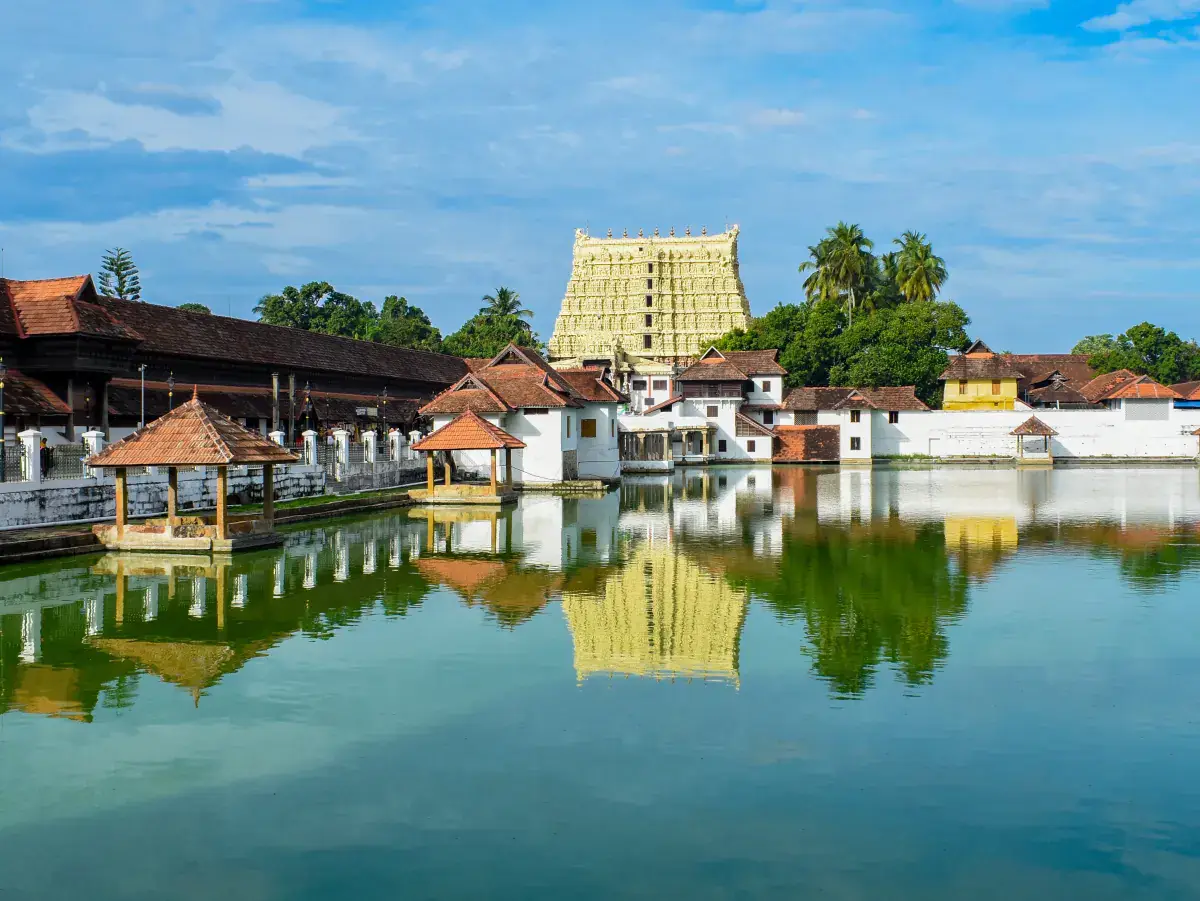
Five of these were opened. One was not
The chambers are labelled A to F. Four of them are in routine use and are opened by temple staff through the year, which is why they were never treated as treasuries. Vault A held the hoard that made headlines. Vault B has no record at all, and no photograph of its interior exists in the public domain.
Vaults C to F are not sealed treasuries. They are working stores, and articles are taken out and returned for daily and festival poojas.
The chamber that was left exactly as it was found
Vault B was excluded from the inventory on religious grounds, not legal ones. The temple holds that the chamber is directly connected to the deity and that forcing it open invites misfortune. No court has ordered otherwise.
Because it has never been opened, nothing about its contents is recorded. Every figure quoted online for what is inside is a guess, and the estimate below counts only the five vaults that were catalogued.
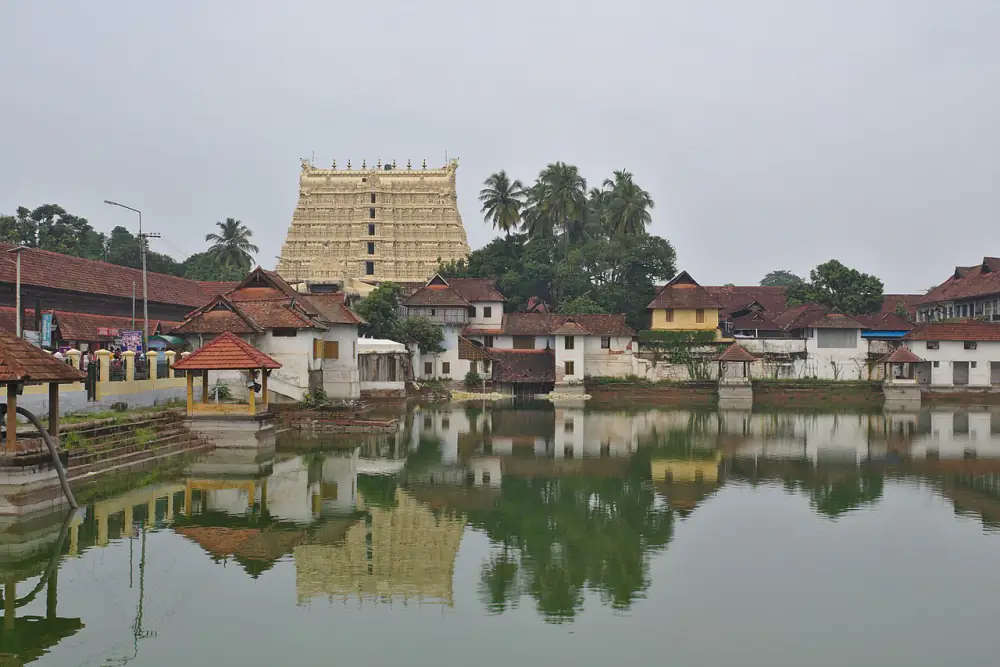
What the court appointed teams actually wrote down
The catalogue ran for months and was carried out under supervision, with each item photographed and listed before being returned to storage. This is the short version of what came out, and it is worth reading alongside the note below on what the headline figure does and does not measure.
| What was recorded | Where |
|---|---|
| Gold idols and imagesSolid gold figures of Vishnu and other deities, some studded with stones | Vault A |
| Coin hoardsSacks of gold coins, including Roman era and Napoleonic period currency | Vault A |
| The golden sheafA ceremonial sheaf of gold, widely reported as one of the single heaviest items | Vault A |
| Emerald and diamond ornamentsNecklaces and chains, several described as ceremonial rather than wearable | Vault A |
| Ritual vesselsVessels, lamps and utensils still taken out for daily and festival use | Vaults C to F |
| Vault BNo inventory exists. Nothing has been recorded, valued or removed | Vault B |
The 1.2 lakh crore figure values metal and stones at market rates. It does not price antiquity, craftsmanship or historical significance, and several items are considered irreplaceable at any valuation.
From one petition in 2011 to a settled verdict in 2020
The whole dispute turned on a single question: who legally controls the temple and everything under it. Nine years passed between the petition and the answer, and the vaults were opened in the middle of it.
Most of what circulates about Vault B cannot be checked
Because there is no inventory, there is nothing to verify against. The left column is on the court record and can be checked. The right is repeated widely across news reports and video channels, and rests on nothing that has been published or examined.
On the record
- Five vaults were opened and catalogued between 2011 and 2012 under court supervision
- The 1.2 lakh crore figure is an estimate of metal and stone value, not an audited valuation
- Vault B was excluded from the inventory and has no recorded contents
- The 2020 judgment returned administration to the royal family and did not order Vault B opened
Repeated but unverified
- That the vault holds a specific figure in rupees, since no inventory exists
- That serpents or a curse physically guard the door
- That a Naga Bandham seal can only be undone by a particular chant
- That the temple is hiding a second, larger chamber below Vault B
How a temple in Kerala ended up holding more gold than most central banks
None of this was accumulated as treasure for its own sake. It is the by product of an arrangement made in 1750 and never reversed.
Where the wealth came from
- After the Thrippadidanam of 1750 there was no line between the state treasury and the temple. Both belonged to the deity.
- Tribute from conquered territories, revenue from the pepper trade and offerings from ruling houses across the south all went into the vaults.
- Nothing was ever taken back out. Travancore never melted temple gold to fund a war or a famine, so the store simply compounded for two centuries.
Why it stayed hidden
- The chambers are below the sanctum and were never part of any public route through the temple.
- Vaults C to F were opened routinely for ritual articles, so nobody treated the underground level as unusual.
- Vaults A and B were opened rarely or not at all, and no comprehensive list of their contents was ever compiled before 2011.
How the inventory was done
- Teams worked under Supreme Court supervision, with observers present and each item photographed as it was lifted.
- Work ran in short sessions over months rather than in one sweep, because the chambers are cramped and poorly ventilated.
- Nothing was removed from the temple. Items were listed, photographed and returned to storage on site.
What the inventory changed
Before 2011 the scale was a matter of local belief rather than record. The catalogue turned it into a documented figure, and the number travelled worldwide within days.
It also created a security and administration problem the temple had never faced. Storage, insurance and access all became court supervised questions rather than internal ones.
Where it stands now
Administration sits with a trust headed by the Travancore royal family, working under a framework the Supreme Court set in 2020. An administrative committee runs daily operations and an advisory committee oversees finance.
Vault B is not on any agenda. No petition to open it has succeeded, and the temple’s position has not moved since the ruling.
Vault B and the treasure, answered
Ten questions on what is inside, what the inventory found, and why the sixth door has stayed shut.
What is Vault B at Padmanabhaswamy Temple?
Vault B, also called Bharatakkon Kallara, is one of six chambers beneath the sanctum of Sree Padmanabhaswamy Temple. It is the only one that has never been opened in recorded history. When five vaults were inventoried under court supervision from 2011, Vault B was deliberately left untouched.
Why has Vault B never been opened?
The temple holds that the chamber is directly connected to the deity and that forcing it open would invite misfortune. There is no legal barrier. The Supreme Court has not ordered it opened, and the 2020 judgment left the question entirely alone.
How much treasure is inside the temple?
Inventories of five vaults valued the gold, gems and antiques at roughly 1.2 lakh crore rupees. That is an estimate of metal and stone value rather than an audited figure, and it counts nothing from Vault B, which has never been assessed.
What was found in the vaults?
Solid gold idols, sacks of gold coins including Roman era and Napoleonic period currency, emerald and diamond ornaments, ceremonial vessels and a heavy sheaf of gold. Vaults C to F hold articles that are still taken out for daily and festival poojas.
Is the treasure worth more than the estimate?
Almost certainly. The 1.2 lakh crore figure values the objects as metal and stone. Their antiquity and historical significance are not priced in, and several are irreplaceable. Vault B is excluded from the figure entirely.
Who owns the treasure now?
The deity. Under the Thrippadidanam of 1750 the kingdom and everything in it were surrendered to Sree Padmanabhaswamy, and the vaults are held in trust. The 2020 Supreme Court ruling placed administration with the Travancore royal family under court oversight.
What is the Naga Bandham?
Naga Bandham refers to a serpent seal said in temple tradition to lock the door of Vault B. It is described in accounts of the chamber but has never been examined or documented, and no photograph or survey of the door interior exists in the public record.
Did anyone die after trying to open Vault B?
The petitioner who first raised the case died in 2011, shortly before the inventory began, and the coincidence is often repeated online as proof of a curse. There is no evidence linking the death to the vault, and the inventory of the other five chambers proceeded without incident.
Can visitors see the vaults?
No. The chambers are below the sanctum and are not part of any public route. Visitors see the deity through the three doors of the sanctum, and the temple museum displays a selection of ornaments and vessels above ground.
Will Vault B ever be opened?
There is no indication that it will. The 2020 judgment did not order it, the temple administration opposes it on religious grounds, and no fresh petition seeking to open it has succeeded. The position has not changed since the ruling.
The vaults make sense only once you know the history
One decision in 1750 explains the whole thing. If you are visiting, the timings and dress code matter more than any of it.
Temple History
The 1750 Thrippadidanam that made a kingdom the property of the deity.
Read the guideTemple Timings
Every darshan slot from 3:30 AM to the last window at 7:20 PM.
Read the guideDress Code
Mundu for men, saree for women. What is refused at the gate.
Read the guideHow to Reach
Thiruvananthapuram Central is 1.2 km away. Airport, buses and autos.
Read the guideFive vaults were counted. The sixth is still a rumour
Nothing about Vault B has been recorded, valued or removed, and no court has ordered it opened.