
Padmanabhaswamy Temple timings, slot by slot
The temple's published daily schedule runs from 3:30 AM through 7:20 PM, with separate darshan windows and ritual closures. The schedule lists an afternoon closure from noon until the evening window begins at 4:30 PM. Festival observances can change the routine, so confirm the date with the temple before travelling.
Schedule checked 29 September 2026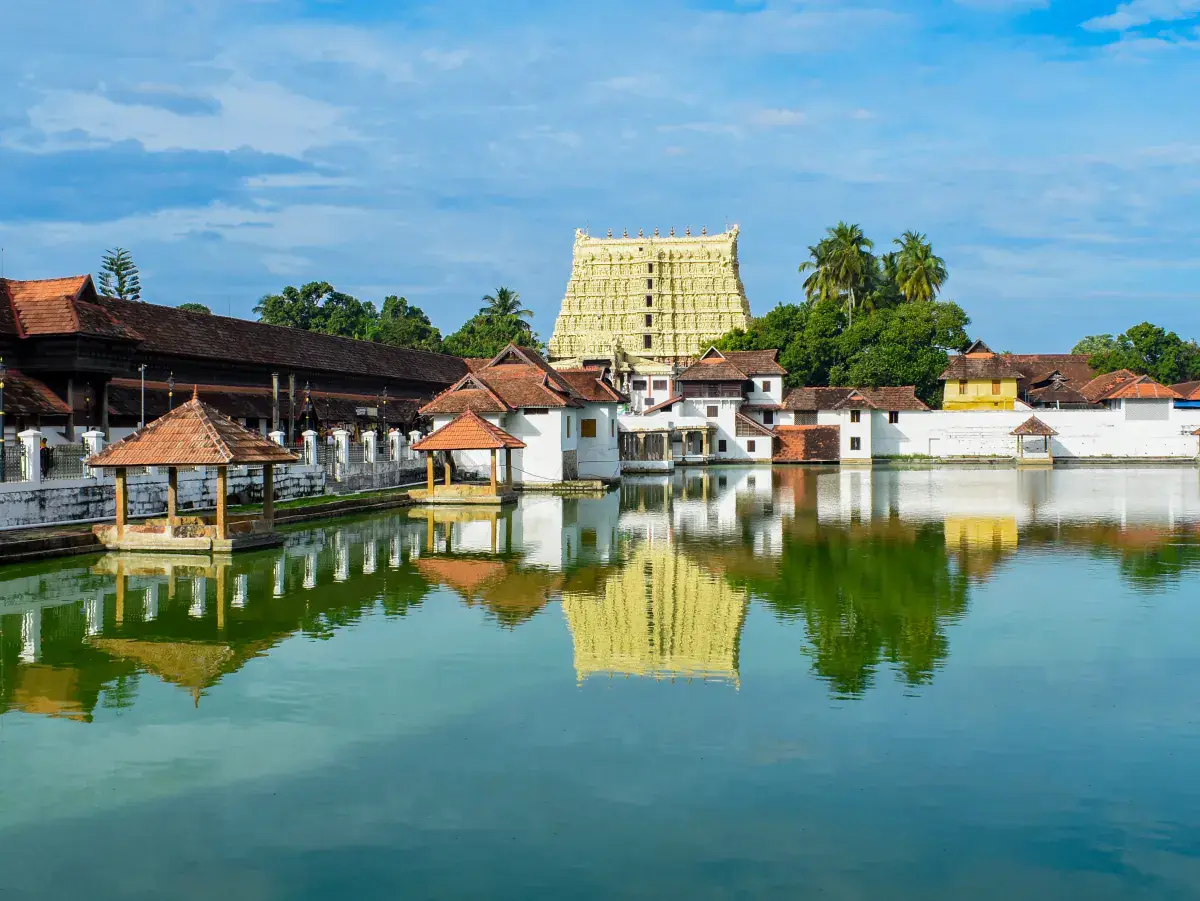
Ten slots decide whether you get darshan or a shut door
Every window in the temple day, in order. A tick means the sanctum is open to visitors, a cross means it is closed for a ritual and nobody is allowed in.
These are the standard daily timings. They shift during Alpashy and Painkuni festivals, on Lakshadeepam years and on the Malayalam new moon, so confirm the day before you travel.
What happens in the temple hour by hour
The daily routine has not changed in generations. Knowing what is going on behind a closed door explains why the sanctum shuts when it does, and makes the gaps a lot easier to plan around.
| Time and what happens | Session | Entry |
|---|---|---|
| 3:30 AM to 4:45 AMThe doors open on the deity exactly as it was left overnight, still wearing the previous evening’s flowers and ornaments. | Nirmalya Darshanam | Yes |
| 4:45 AM to 6:30 AMThe ornaments come off, the deity is bathed and dressed again, and the first fire ritual of the day is performed. | Abhishekam and Ganapathi Homam | No |
| 6:30 AM to 7:00 AMA short public window between the bath and the first pooja. | Morning darshan | Yes |
| 7:00 AM to 7:30 AMThe first formal offering of the day. | Usha Pooja | No |
| 8:30 AM to 10:00 AMThe longest continuous darshan window on the schedule. | Mid morning darshan | Yes |
| 10:00 AM to 10:30 AMPublished schedule interval before the next darshan window. | Ucha Pooja | No |
| 10:30 AM to 11:15 AMA listed public darshan window. | Late morning darshan | Yes |
| 11:15 AM to 11:45 AMSchedule interval before the final morning window. | Ritual interval | No |
| 11:45 AM to 12:00 PMFinal listed morning darshan window. | Morning darshan | Yes |
| 12:00 PM to 4:30 PMThe published daily schedule shows an afternoon closure before evening darshan resumes. | Afternoon closure | No |
| 4:30 PM to 6:15 PMFirst published evening darshan window. | Evening darshan | Yes |
| 6:15 PM to 6:45 PMEvening ritual interval; check the temple schedule for the day. | Deeparadhana | No |
| 6:45 PM to 7:20 PMFinal published evening darshan window. | Night darshan | Yes |
Nirmalya Darshanam, the one slot devotees plan trips around
The schedule lists Nirmalya Darshanam from 3:30 to 4:45 AM. Devotees may value this early viewing, but the temple-linked seva portal should be checked for any paid offering, its date and its specific inclusions. General darshan is free.
In practice: be at East Fort by about 3:00 AM, already dressed, because the mundu shops near the gate are not reliably open that early. Book your auto or taxi the night before; buses are not running and app cabs are patchy at that hour. Leave the phone at the hotel if you can, since the cloakroom queue adds time.
Choose a window that suits your plan and leave a queue buffer
Queue conditions can change by date and observance. The temple does not publish a dependable crowd forecast or guaranteed waiting time, so use the official schedule and leave room for entry checks.
Pick these slots
- The 8:30–10:00 AM window is the longest listed continuous morning period
- Choose a slot that allows for your transport and preparation needs
- Check the official date-specific schedule before leaving
- Allow flexibility around festivals and temple notices
Avoid these if you can
- Do not assume a slot will have a short queue
- Do not travel on a festival date without checking official notices
- Do not treat ritual intervals as public entry windows
- Do not use an old schedule screenshot as the only source
Four times a year the daily timings stop applying
During festival weeks the temple runs on a different schedule altogether. If your trip lands on one of these, treat the daily table above as a rough guide and confirm locally.
What actually happens between the gate and the sanctum
Most people plan around the opening time and get caught out by everything that sits between the entrance and the deity. Budget an extra thirty minutes on top of whatever slot you are targeting, and the visit stops feeling rushed.
Before you join the queue
- A dress check happens at the entrance. Men in trousers and women in salwar kameez are sent back, so change or rent a mundu at the shops outside first.
- Phones, cameras, bags and footwear all go into the free cloakroom near the gate. There is no way to carry them past the entrance.
- Non Hindus are not permitted inside, and you may be asked to confirm your faith at the gate.
Inside the complex
- General darshan is free. For any paid offering, check the official listing for the exact ritual and access it includes.
- The queue moves through the corridor towards the sanctum, where the deity is viewed through three separate doors: the face, the navel, then the feet.
- Nobody stops in front of the doors. The line keeps moving and each viewing lasts a few seconds, so the total time depends on how many people are ahead of you.
If you arrive during a closure
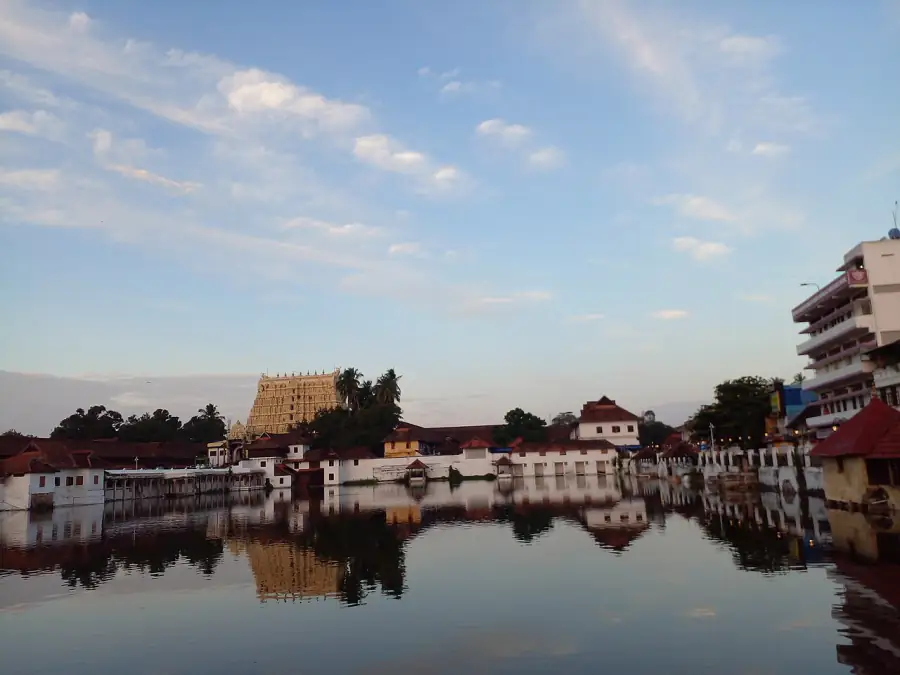
The gaps between darshan windows are short enough to wait out. Padma Theertham, the tank in front of the temple, is a reasonable place to sit, and the Kuthiramalika Palace Museum is a hundred metres away.
The published darshan schedule has an afternoon break. Other facilities may follow different hours, so check the temple and nearby attractions directly before planning around this period.
A note on published timings
The temple publishes its timing information online. This guide summarizes the standard daily schedule checked on 29 September 2026; verify the official timing page for your visit date, especially during festivals.
Use the temple’s official timing page and notices for date-specific confirmation.
Padmanabhaswamy Temple timings, answered
Ten questions visitors ask most about when the temple opens, when it shuts and which hour to choose.
What are the Padmanabhaswamy Temple timings today?
The official published schedule lists morning windows at 3:30–4:45 AM, 6:30–7:00 AM, 8:30–10:00 AM, 10:30–11:15 AM and 11:45 AM–12:00 PM, followed by evening windows at 4:30–6:15 PM and 6:45–7:20 PM. Ritual and festival days can differ; check the temple's official timing page before leaving.
What time does Padmanabhaswamy Temple open in the morning?
It opens at 3:30 AM for Nirmalya Darshanam. This is the first viewing of the day and the deity is still wearing the flowers and ornaments from the previous night. The doors then close at 4:45 AM for the ritual bath.
Is Padmanabhaswamy Temple closed in the afternoon?
The published schedule has an afternoon break after noon and resumes at 4:30 PM. Some temple facilities may follow their own hours, so check directly before planning a visit to another facility on the grounds.
What time does the temple close at night?
The schedule checked for this guide lists evening darshan windows from 4:30 to 6:15 PM and 6:45 to 7:20 PM. Confirm the official schedule and entry instructions for your date.
Which is the least crowded time for darshan?
The temple does not publish crowd measurements, so we cannot name a reliably least-crowded slot. The 8:30–10:00 AM window is the longest continuous morning period in the schedule checked here; choose based on your plans and verify the date’s timetable.
Do the timings change on Sundays or holidays?
The temple's published standard schedule may be changed for festivals and observances. The site does not publish crowd or queue measurements, so we cannot promise a least-crowded slot. Check the official schedule for your date and leave a buffer.
Do timings change during festivals?
Yes. During Alpashy Utsavam in October and November, and Painkuni Utsavam in March and April, the temple runs a festival schedule instead of the daily one. Darshan windows shorten and processions take over parts of the day. Lakshadeepam years change the schedule completely.
How early should I reach for Nirmalya Darshanam?
The listed Nirmalya window begins at 3:30 AM. Plan transport and entry checks with a buffer, and confirm whether any related seva is listed for your date through the temple’s official portal.
How long does darshan take once I am inside?
Waits depend on the date, observances and on-site arrangements. The temple does not publish a guaranteed queue duration, so allow a flexible buffer.
Can I get darshan without a ticket?
General darshan is free. The official portal lists specific paid poojas and sevas; check the description and date-specific terms. They are not automatically a general darshan ticket.
Sort the rest of the visit before you go
Timings are only half of it. The dress code turns people away at the gate every day, and knowing what darshan costs saves an argument at the counter.
Dress Code
Mundu for men, saree or set-mundu for women. What the guards actually turn people away for.
Read the guideTickets & Booking
General darshan is free. Check official pooja and seva listings for current prices and terms.
Read the guideVault B & Treasure
Six vaults, five counted, and the one door that has never been opened.
Read the guideHow to Reach
Thiruvananthapuram Central is 1.2 km away. Airport, buses and autos to East Fort.
Read the guideAim for 8:30 AM on a weekday, and bring a mundu
That one decision covers the two things that ruin most visits: the queue and the dress check. Everything else at Padmanabhaswamy is straightforward.