Your first visit to Padmanabhaswamy, planned hour by hour
A first visit is easier when you check the current darshan schedule, dress requirements and entry instructions before leaving your accommodation. This guide brings those practical details together, explains how to plan around the published afternoon break, and links to official sources for information that can change.
The short answer
The published schedule includes an 8:30 to 10:00 AM morning window. It is the longest continuous window in the schedule checked for this guide, but queue conditions vary and no wait time is guaranteed. Review the official schedule and entry rules before travel. The published afternoon break begins at 12:00 PM; plan around the listed evening windows as well.
What to sort out the night before
These checks make the morning easier; confirm date-sensitive details with the temple before travelling.
- Sort your clothing. Check the current dress code and arrange suitable clothing before you leave. Do not rely on a nearby rental stall being open or having your size.
- Check payment instructions. If you plan to book a listed seva, use the linked official portal and follow its current payment steps. Ordinary general darshan is free.
- Confirm your transport. If you are not walking, have a driver's number saved. Autos are the practical answer for the last stretch into East Fort.
- Decide your afternoon. The published darshan schedule has a break after the morning windows. Nearby attractions have their own hours and access rules, so check them separately.
Staying in Fort or East Fort makes all of this easier, and it is the single biggest lever on how smooth the morning is. Our hotels nearby page covers what is genuinely walking distance from the gate.
Which darshan slot to choose
The published darshan windows are separated by ritual breaks; the schedule checked for this guide lists:
- 3:30 to 4:45 AM — Nirmalya Darshanam, the first listed darshan window.
- 6:30 to 7:00 AM — short, thirty minutes.
- 8:30 to 10:00 AM — ninety minutes, the longest of the day.
- 10:30 to 11:15 AM — another morning window.
- 11:45 AM to 12:00 PM — the final morning window.
- 4:30 to 6:15 PM and 6:45 to 7:20 PM — evening windows.
Consider 8:30 to 10:00 AM if that window fits your plans. The list above is a reference, not a guarantee: timings can change for rituals, festivals or other notices. Queue lengths vary, so choose a window that fits your travel and energy rather than expecting a particular wait. Consider Nirmalya Darshanam only if an early start suits you and you have confirmed the date’s arrangements. Full detail is on the timings page.
What to wear, with no ambiguity
This is the strictest dress code of any major temple in Kerala and it is checked before you join any queue. People are turned away every day.
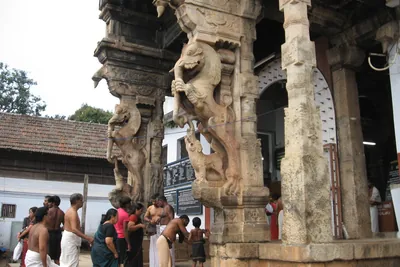
- Men: a mundu or dhoti, upper body completely bare. A towel or angavastram over the shoulder is fine. No shirt, vest or t-shirt at any point.
- Women: a saree, a set-mundu, or a long skirt with a blouse.
- Girls under twelve: long skirt and blouse, or a plain gown.
- Boys under twelve: a mundu or shorts, and a shirt is allowed.
Always refused: trousers, jeans, shorts on adult men, leggings, salwar kameez and churidar, and any western dress.
If you have never worn a mundu, practise once before the morning. Tying it badly in a queue is a bad first experience, and our Kerala dress code guide walks through how it is done. Wear something over the mundu on the way there if you are travelling across the city, and change near the temple.
What to carry, and what to leave behind
The governing principle is simple: everything you bring is something you have to hand over and collect again, twice, in a queue.
Leave at the hotel: your phone, camera, daypack, and anything in leather including belts and wallets.
Bring: only essential items, and check current storage rules before you leave.
Rules for phones, cameras, watches, bags, footwear and storage should be checked with the temple before your visit; do not assume every item can be stored or carried inside. Photography restrictions may apply. If you want exterior photographs, take them from a permitted public area before approaching the entry checkpoint.
The complete list of what is refused is on our temple rules page.
Arriving, and getting through the checkpoint
For an 8:30 AM window, arriving in the East Fort area ahead of time gives you a buffer. The time needed for changing, checks and any storage arrangements can vary, so follow the date-specific instructions at the entrance:
- Change, away from the gate rather than in the queue.
- Entry instructions. Follow staff directions and current dress requirements.
- Storage, if required. Use only the arrangements currently designated by the temple.
- General darshan. It is free; paid portal listings are specific sevas and do not automatically reserve general entry.
- The queue.
Getting to East Fort: Thampanour, the main railway station and KSRTC bus stand, is about two kilometres away, a short auto ride or a twenty-five minute walk. Trivandrum International Airport is about six kilometres. The approach roads are narrow and parking is limited and fills early, so an auto beats a car for the last stretch. Full detail on the how to reach page.
The queue, and making the darshan count
There is no reliable published duration for the full visit. Queue and entry-check times can vary by date, rituals and attendance, so leave a flexible buffer and avoid planning a tight onward connection. The viewing at the sanctum is brief; follow the movement and instructions of temple staff.
You will pass three separate doors, each framing a different part of the reclining deity. Know what you are looking for at each one before you get there, because trying to see everything at the first door is how most first-time visitors end up seeing very little.
- First door: the head, the serpent hoods, and the right hand resting over a Shiva lingam.
- Second door: the navel, with Brahma seated on a lotus.
- Third door: the feet, with Sridevi and Bhudevi.
One tip that matters more than it sounds: the sanctum is lit only by oil lamps. Coming in from daylight, keep your eyes off bright surfaces on the walk in so they adapt before you reach the first door. Our inside the temple walkthrough covers the whole route, and the idol page explains what you are looking at.
The afternoon darshan break, and how to use it
The published darshan schedule has an afternoon break from 12:00 PM until 4:30 PM. Other facilities may follow different hours; check their access separately and plan the afternoon before you arrive.
Two possible ways to plan the time, subject to each venue’s current opening hours, ticket rules and access:
Stay nearby. Consider a meal around East Fort or a nearby attraction such as Kuthiramalika Palace Museum, after confirming its current visiting hours, ticketing and entry conditions.
Explore farther. Napier Museum, Sree Chitra Art Gallery and Kovalam are options elsewhere in the city and district. Check travel time, opening days and return transport before combining them with an evening darshan.
Venue access, distances and closing days can change; see our places to visit guide and verify directly before setting an itinerary.
What the day actually costs
Less than almost anybody expects, because the main thing is free.
- General darshan: free. No ticket, no booking, no entry fee.
- Paid offerings: review the official portal to confirm the exact seva and its inclusions; do not assume it is a queue-skip pass.
- Other expenses: transport, clothing and attraction charges depend on your choices and current provider rates.
Use official sources for paid services. The temple site links to an online portal for listed poojas and sevas. Read the selected item’s date and inclusions; a seva is not automatically a general darshan ticket. See the booking guide.
The evening slot, and a second darshan
The published evening windows are 4:30 to 6:15 PM and 6:45 to 7:20 PM in the schedule checked for this guide. Confirm the timings on the official page on your visit date. If you return after a morning darshan, allow for current entry checks and any changes announced by the temple.
The temple setting and rituals may feel different at different times of day; personal experiences vary. Follow all instructions inside and do not take photographs where prohibited.
Three cautions if you go back.
- Festival and holiday dates can change the experience. Check official notices and leave a flexible buffer; queue length and paid access are not guaranteed.
- Do not assume entry remains open until a listed window ends. Check current instructions and arrive with a flexible buffer.
- Dress and storage rules still apply. Confirm the current arrangements before setting out.
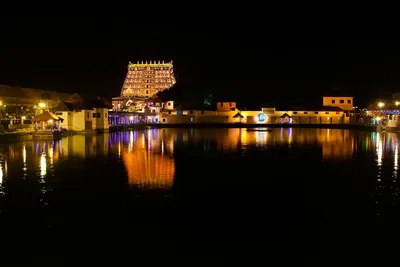
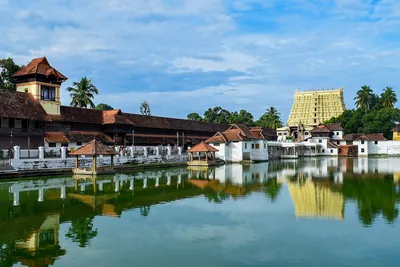
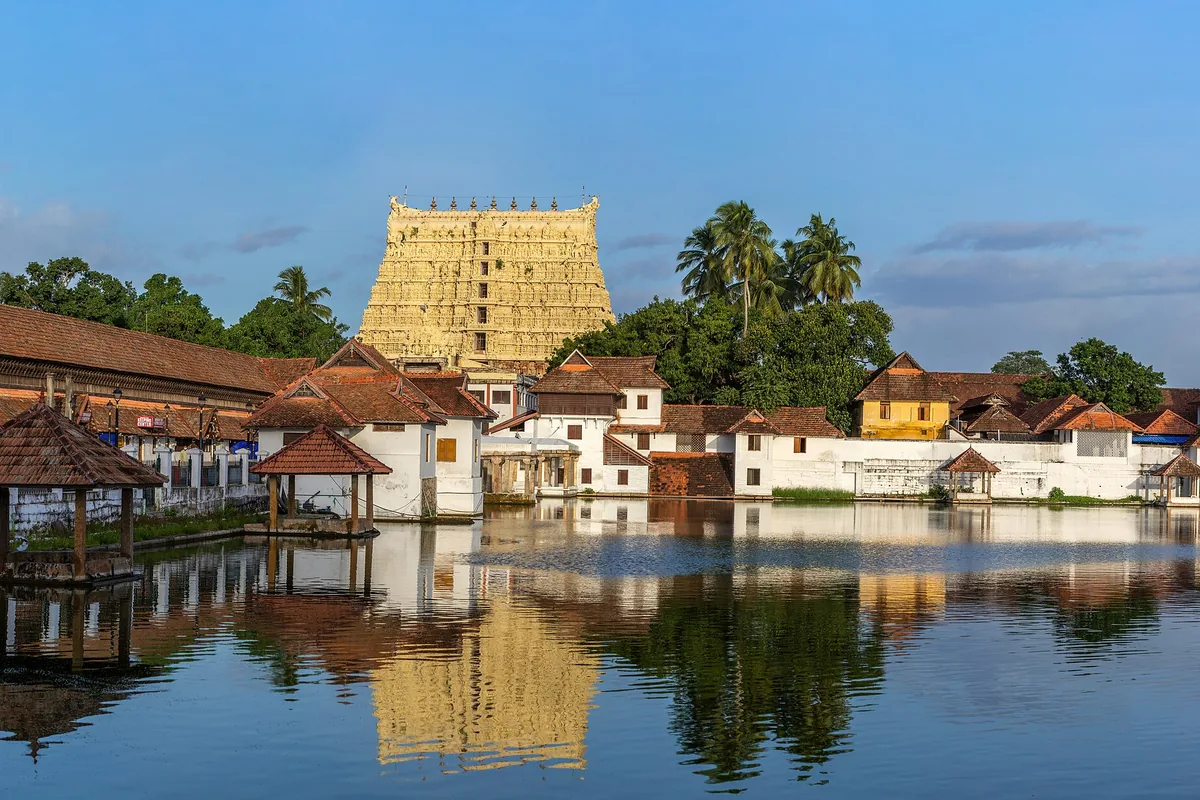
If you would rather end the day outside, the gopuram in the hour after sunset, seen from the tank, is the other photograph worth having, and it needs no queue at all.
Key points to remember
- The 8:30 to 10:00 AM window is the longest continuous morning window in the schedule checked here; verify it for your date.
- Check the official dress code and follow current entry instructions.
- Check current rules for phones, cameras, bags and storage before you leave your accommodation.
- For paid offerings, use the official portal linked from the temple website and follow its payment instructions. General darshan is free.
- Arrive with a flexible buffer; checks and queues vary.
- The published darshan schedule has a midday break. Check nearby venues separately before planning the afternoon.
- General darshan is free. Check the official portal for any separately listed pooja or seva and its exact inclusions.
Sources and further reading
Planning your first visit, answered
Ten questions on slots, dress, cost, timing and how long the whole thing takes.
What is the best time to visit Padmanabhaswamy Temple?
The published 8:30–10:00 AM window is the longest continuous morning period in the schedule checked here. Queue lengths vary, and there is no reliable public forecast. Verify the official schedule for your date.
How long does a visit to Padmanabhaswamy Temple take?
There is no reliable published duration for the full visit. Queue and entry-check times vary by date and attendance, so allow a flexible buffer and avoid tight onward plans.
How much does it cost to visit Padmanabhaswamy Temple?
General darshan is free. Prices for separately listed offerings or any on-site services should be confirmed with the official seller. Follow the temple’s current entry and storage rules.
Can I book Padmanabhaswamy Temple darshan online?
The temple site links to an official portal for listed poojas and sevas. These are specific services and do not automatically reserve ordinary general darshan. Use the link from the official temple website and read the exact listing before paying.
What should I wear to Padmanabhaswamy Temple?
Check the temple’s current dress instructions before travelling. This guide links to the detailed dress-code page; local rules and permitted clothing should be confirmed for your date.
Can I take my phone into the temple?
Check the current temple instructions for phones, cameras, bags and footwear. Leave restricted items at your accommodation or use the designated arrangements, and ask staff about any essential item you cannot leave behind.
What time should I arrive for my darshan slot?
Allow a flexible buffer before the listed window. The time needed for entry checks and any designated storage arrangements varies; check current temple instructions for your date.
What do I do when the temple closes in the afternoon?
The published darshan schedule has an afternoon break. Nearby attractions have their own hours and access rules, so check current information and allow time to return for an evening window.
How do I get to Padmanabhaswamy Temple?
The temple is at East Fort. Thampanoor railway station and KSRTC bus stand, and the airport, are described in our how-to-reach guide. Distances and travel times depend on the exact route and traffic, so check a current map before leaving.
Is one day enough for Padmanabhaswamy Temple?
Yes, comfortably. A morning darshan, the palace museum and the Fort area fill a day well. Two days lets you add Kovalam and the museum quarter without rushing, or attempt the 3:30 AM Nirmalya Darshanam without losing the following day to tiredness.